
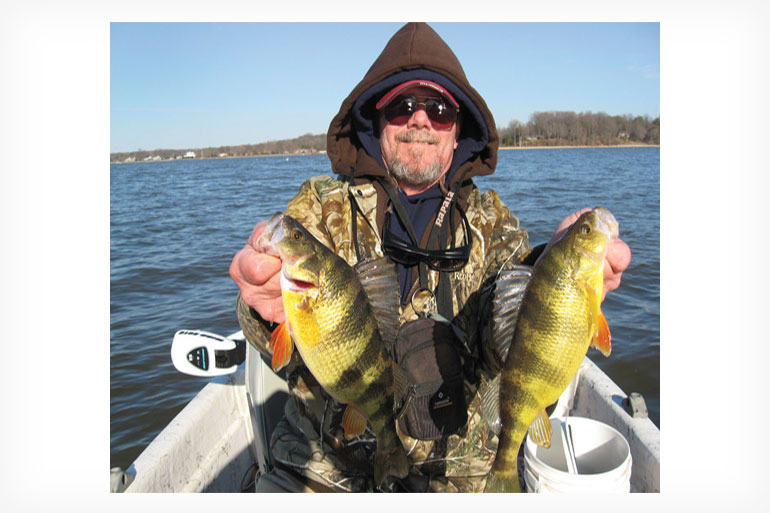
Best For: Catching Jumbo Perch as They Migrate Through the Narrows
Catching jumbo perch during their migration through narrow waterways is one of the most exciting opportunities for freshwater anglers. These seasonal movements concentrate fish into tighter corridors, making them easier to locate and more aggressive in feeding. The “narrows” — where lakes, rivers, or channels constrict — often become natural highways for perch, especially larger, more mature specimens searching for food and optimal water conditions.
Understanding Perch Migration Behavior
Jumbo perch are highly responsive to seasonal changes in temperature, oxygen levels, and food availability. As water temperatures shift, especially during early spring and late autumn, perch begin to move from deeper basin areas into shallower feeding grounds. Narrows act as transition zones where water flow, baitfish activity, and structure combine to create ideal hunting conditions.
These fish are opportunistic feeders. When migrating through constricted waterways, they tend to school in groups, following baitfish such as minnows and small fry. This behavior creates a prime window for anglers, as multiple trophy-sized perch may be caught in a short period when the school is active.
Why Narrows Are Prime Fishing Spots
Narrows are productive because they concentrate both predator and prey. The reduced width of the waterway funnels baitfish into predictable paths, and perch follow closely behind. Additionally, current flow in these areas helps oxygenate the water, attracting active fish.
Structural features such as rock edges, submerged timber, drop-offs, and weed lines further enhance these locations. Jumbo perch often use these features as ambush points, conserving energy while waiting for prey to pass by.
Effective Techniques for Catching Jumbo Perch
To successfully target migrating perch in narrows, anglers should focus on presentation and precision. Lightweight tackle is essential, as perch are known for their cautious yet curious behavior.
Soft plastics, small jigs, and live bait such as minnows or worms are highly effective. Vertical jigging works especially well in deeper sections of the narrows, while casting and retrieving along edges can trigger aggressive strikes from roaming schools.
Slow and steady retrieves often outperform fast movements. Jumbo perch tend to inspect bait carefully before committing, so a natural, subtle presentation increases success rates.
Best Timing and Conditions
Timing is critical when fishing narrows. Early morning and late afternoon are typically the most productive periods, as perch are more actively feeding during low-light conditions. Overcast days can also improve bite rates, as reduced sunlight encourages fish to move more freely through open water channels.
Seasonally, the best opportunities occur during spring spawning movements and autumn feeding migrations. During these periods, perch are not only more active but also more likely to be found in higher concentrations.
Tips for Consistent Success
To consistently catch jumbo perch in narrows, anglers should:
- Move slowly and cover water methodically
- Focus on depth changes and current seams
- Downsize gear for more natural presentations
- Watch for baitfish activity on the surface
- Adjust lure color based on water clarity
Patience and observation are key. Often, success comes from identifying subtle patterns in fish movement rather than relying on speed or volume of casts.
Conclusion
Fishing for jumbo perch in narrow waterways during migration is a highly rewarding experience. These natural funnels bring together ideal feeding bigfishmccall.com conditions, predictable fish movement, and increased chances of encountering trophy-sized specimens. With the right timing, techniques, and understanding of perch behavior, anglers can significantly improve their success and enjoy some of the most productive freshwater fishing available.